Your cart is empty
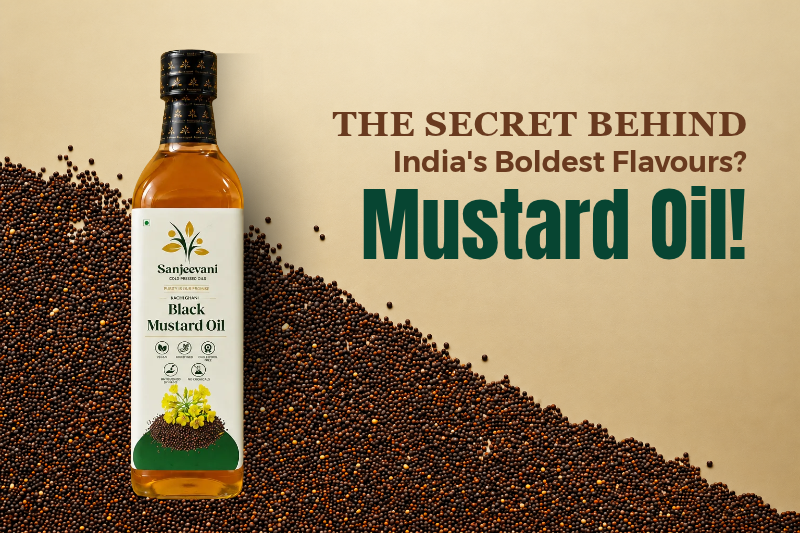
From Bengali fish curry to homemade achaar, discover why mustard oil has been a kitchen favourite for generations.
Ever wondered why your grandmother's homemade pickle tastes so different from the store-bought version? Or why a Bengali fish curry has that unmistakable aroma?
Chances are, mustard oil has something to do with it!
With its bold flavour, golden colour, and deep roots in Indian cooking, mustard oil is more than just another ingredient in the kitchen.
But what makes it so special? Let's find out!
1. Mustard Oil Benefits: More Than Just Great Flavour
Mustard oil isn't just about taste. It also has an interesting nutritional profile.
- Good fats: Contains monounsaturated and polyunsaturated fats, which can support heart health when used in place of saturated fats.
- Plant-based omega-3: Provides alpha-linolenic acid (ALA), an essential fatty acid.
- Naturally flavourful: Its distinctive pungency adds character to food without needing too many additional ingredients.
Cold-pressed mustard oil is mechanically extracted with limited heat, helping retain the seed's characteristic flavour and aroma.
A little thing worth knowing: Mustard oil can contain erucic acid, which is subject to food-safety limits in some countries. Always choose food-grade mustard oil that meets local regulations, and enjoy it as part of a varied diet.

2. One Oil, So Many Regional Stories!
If there's one thing India knows how to do, it's give the same ingredient a completely different personality in every state.
And mustard oil is a perfect example!
Rajasthan — Where the Journey Begins
Rajasthan is one of India's leading mustard-producing states. Its winter growing conditions make mustard an important crop, connecting farms to kitchens across the country.
Punjab & Haryana — A Winter Favourite
Think mustard fields, sarson da saag, and hearty winter meals. Mustard has long been part of the region's agricultural and food culture.
West Bengal — The Flavour Hero
From Shorshe Ilish to Aloo Bhaja, mustard oil plays a starring role in Bengali cooking. Its pungent flavour is practically part of the cuisine's identity.

Bihar & Uttar Pradesh — Simple Food, Big Flavour
Ever tried litti chokha? A drizzle of food-grade mustard oil in the chokha gives this humble dish its signature sharpness.
Different regions, different recipes, but one ingredient that connects so many Indian kitchens!
3. Does Oil Really Change How Your Food Tastes?
Short answer? Absolutely!
Imagine cooking the same aloo sabzi twice.
One with a neutral-flavoured oil and the other with mustard oil.
Same potatoes. Same masalas. Same recipe.
But the taste? Noticeably different!
That's because mustard oil isn't simply a cooking medium. Its naturally sharp, peppery flavour becomes part of the dish itself.
Here's where it really shines:
- Homemade achaar: Adds a bold, traditional flavour to mango, chilli, and mixed vegetable pickles.
- Bengali fish curry: Complements mustard paste, spices, and fish beautifully.
- Aloo bhaja: Gives crispy potatoes their distinctive regional flavour.
- Baingan bharta: Adds depth to smoky roasted brinjal.
- Everyday sabzis: Brings an extra layer of flavour to simple vegetables.
Kitchen tip: Some traditional recipes heat mustard oil to mellow its sharpness before adding ingredients. Avoid repeatedly heating it until it smokes, as excessive heat can damage cooking oils.
4. Why Choose Cold-Pressed Mustard Oil?
Not all mustard oils taste the same.
Refined mustard oil undergoes additional processing that generally reduces its characteristic aroma.
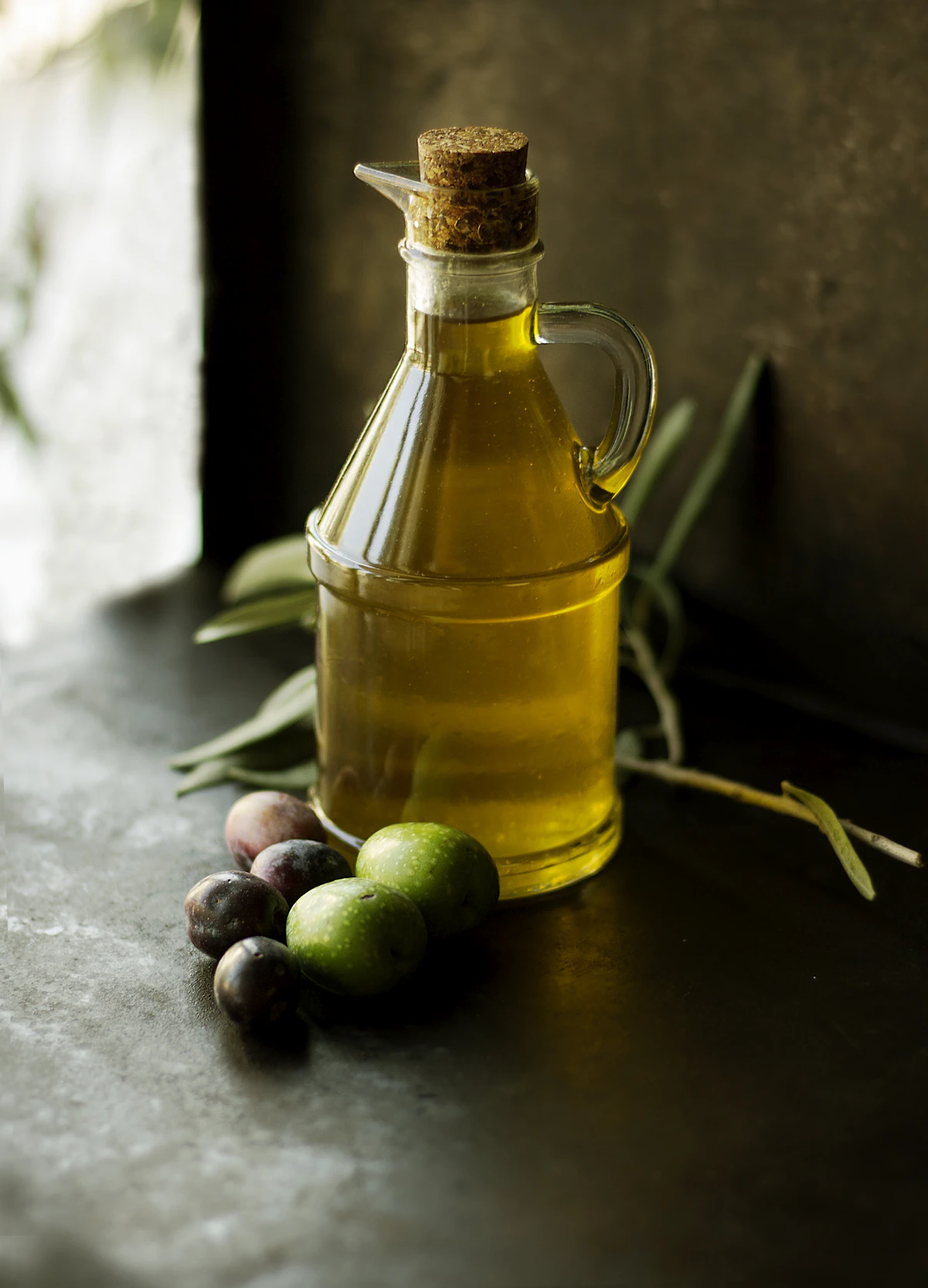
Cold-pressed mustard oil, on the other hand, typically retains more of the seed's natural pungency, making it a flavourful choice for traditional recipes.
And when your recipe depends on that authentic mustard flavour, the oil you choose can make all the difference.
Just remember: cold-pressed doesn't automatically mean healthier or suitable for every cooking method. Quality, fatty acid composition, and intended use matter too.
5. A Little Tradition in Every Spoonful
Some ingredients are remembered for their taste. Others become part of family traditions.
Mustard oil manages to do both.
From the mustard fields of Rajasthan to the fish curries of Bengal and the homemade pickles sitting on kitchen shelves, it has found its way into countless Indian food memories.
At Sanjeevani Cold Pressed Oils, we believe that good cooking begins with choosing the right ingredients, including the oil.
So, the next time your sabzi needs a little extra character or your homemade achaar needs that familiar traditional flavour, you know which oil deserves a place in your kitchen.
Bring home the bold flavours of tradition with Sanjeevani Cold Pressed Oils.
Sanjeevani — Purity Is Our Promise.